The $300 Million Rescue: Why the US Destroyed 8 Planes to Save One Colonel
The inside story of the 48-hour mission to rescue a US Weapons Officer in Iran, resulting in the deliberate destruction of 8 advanced aircraft.

Jonathan Cecil
Editor
The $300 Million Rescue: Why the US Destroyed 8 Planes to Save One Colonel
This operation took place during the height of the US-Israel-Iran Conflict, detailing the 48-hour mission to recover the WSO of DUDE 44 after its shootdown on Day 36.
Abstract
The successful extraction of an isolated US F-15E Weapons Systems Officer (WSO) from deeply contested, hostile territory in Iran represents a watershed case study in contemporary Combat Search and Rescue (CSAR) doctrine.
Following the shootdown of DUDE 44 during Operation Epic Fury, a 48 hour rescue operation unfolded involving over 150 aircraft, special forces teams, CIA surveillance, and the deliberate tactical destruction of multimillion dollar US military equipment. This article details the timeline, the tactical execution, and the strategic implications of dedicating staggering multi domain resources to prevent the capture of a single senior officer by the Islamic Revolutionary Guard Corps.
Introduction
The airspace was saturated and lethal as the United States executed Operation Epic Fury, a massive, preemptive kinetic campaign aimed at dismantling Iran's nuclear and ballistic infrastructure. Amid the high tempo sorties deeply penetrating Iranian airspace, an F-15E Strike Eagle operating under the call sign "DUDE 44" fell victim to an Iranian surface to air missile.
While the pilot managed a parachute descent near friendly territory and was swiftly recovered, the aircraft's Weapons Systems Officer (WSO), a highly respected Air Force Colonel, found himself deep within the Zagros Mountains of Isfahan province. What ensued was a chaotic, technically astonishing, and deeply precarious 48 hour multi domain rescue operation.
Timeline of the DUDE 44 Recovery Operation
Shootdown
DUDE 44 engaged by MANPADS. Crew ejects safely but separated in hostile territory.
Alpha Rescue
Pilot glides near Kuwait. Extracted by U.S. helicopters under heavy small arms fire.
A-10 Crash
A-10 Warthog providing overwatch crashes in Kuwait. Pilot ejects safely.
Evasion
WSO climbs 7,000-ft mountain ridge. IRGC issues $60k bounty and closes to 3km.
Authorization
Maximalist deep-penetration rescue authorized. CIA enters play.
Intel Lock
WSO transmits micro-burst. CIA locks onto thermal signature 40 miles away. Drone umbrella established.
Infiltration
Two MC-130Js land at austere Isfahan airstrip. Little Birds rapidly assembled.
Tactical Lift
Extraction under heavy drone overwatch. IRGC forces neutralized in firefight.
Failure
One MC-130J bogs down; force stranded. Perimeter established on hostile soil.
Destruction
Replacements arrive. U.S. intentionally bombs its own disabled hardware. Zero casualties.
April 3: The Crisis
Shootdown
DUDE 44 engaged by MANPADS. Crew ejects safely but separated in hostile territory.
Alpha Rescue
Pilot glides near Kuwait. Extracted by U.S. helicopters under heavy small arms fire.
A-10 Crash
A-10 Warthog providing overwatch crashes in Kuwait. Pilot ejects safely.
Evasion
WSO climbs 7,000-ft mountain ridge. IRGC issues $60k bounty and closes to 3km.
Authorization
Maximalist deep-penetration rescue authorized. CIA enters play.
April 4: Overmatch
Intel Lock
WSO transmits micro-burst. CIA locks onto thermal signature 40 miles away. Drone umbrella established.
April 5: Extraction
Infiltration
Two MC-130Js land at austere Isfahan airstrip. Little Birds rapidly assembled.
Tactical Lift
Extraction under heavy drone overwatch. IRGC forces neutralized in firefight.
Failure
One MC-130J bogs down; force stranded. Perimeter established on hostile soil.
Destruction
Replacements arrive. U.S. intentionally bombs its own disabled hardware. Zero casualties.
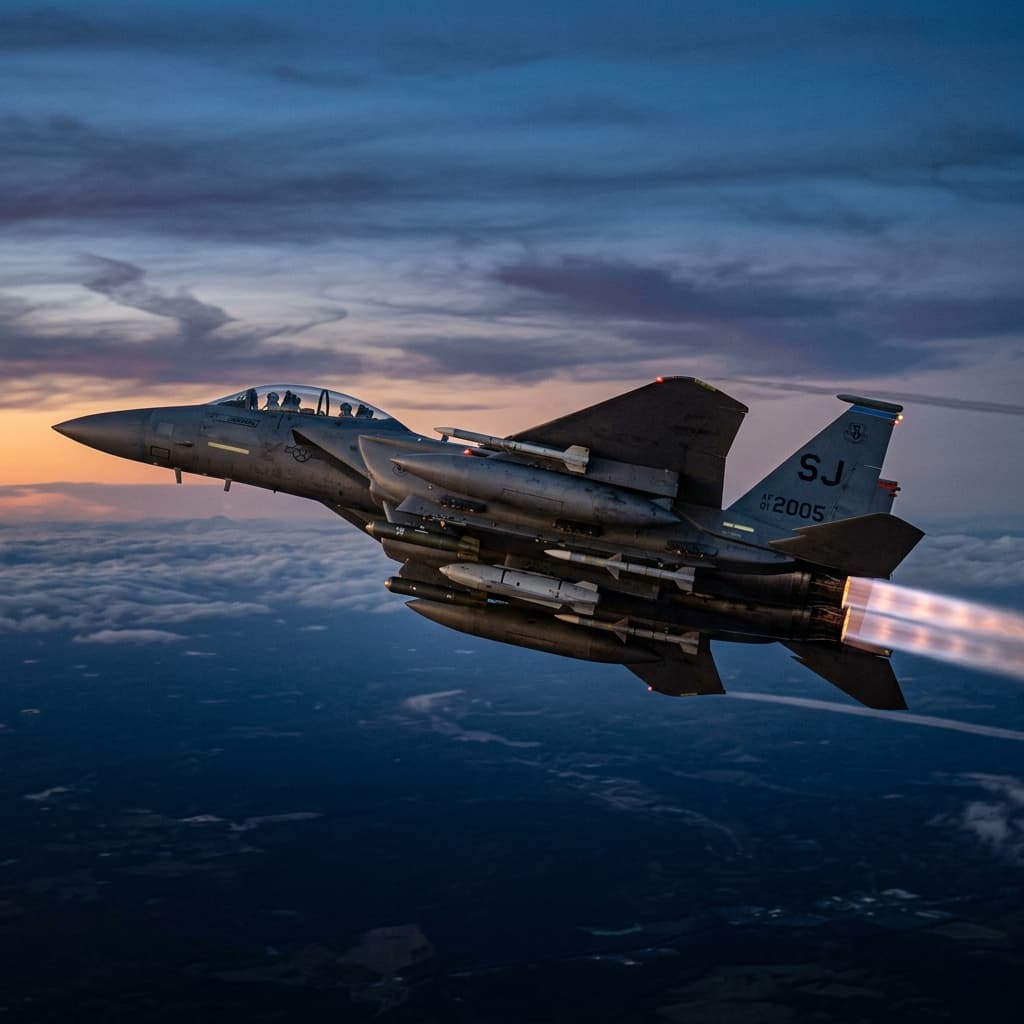
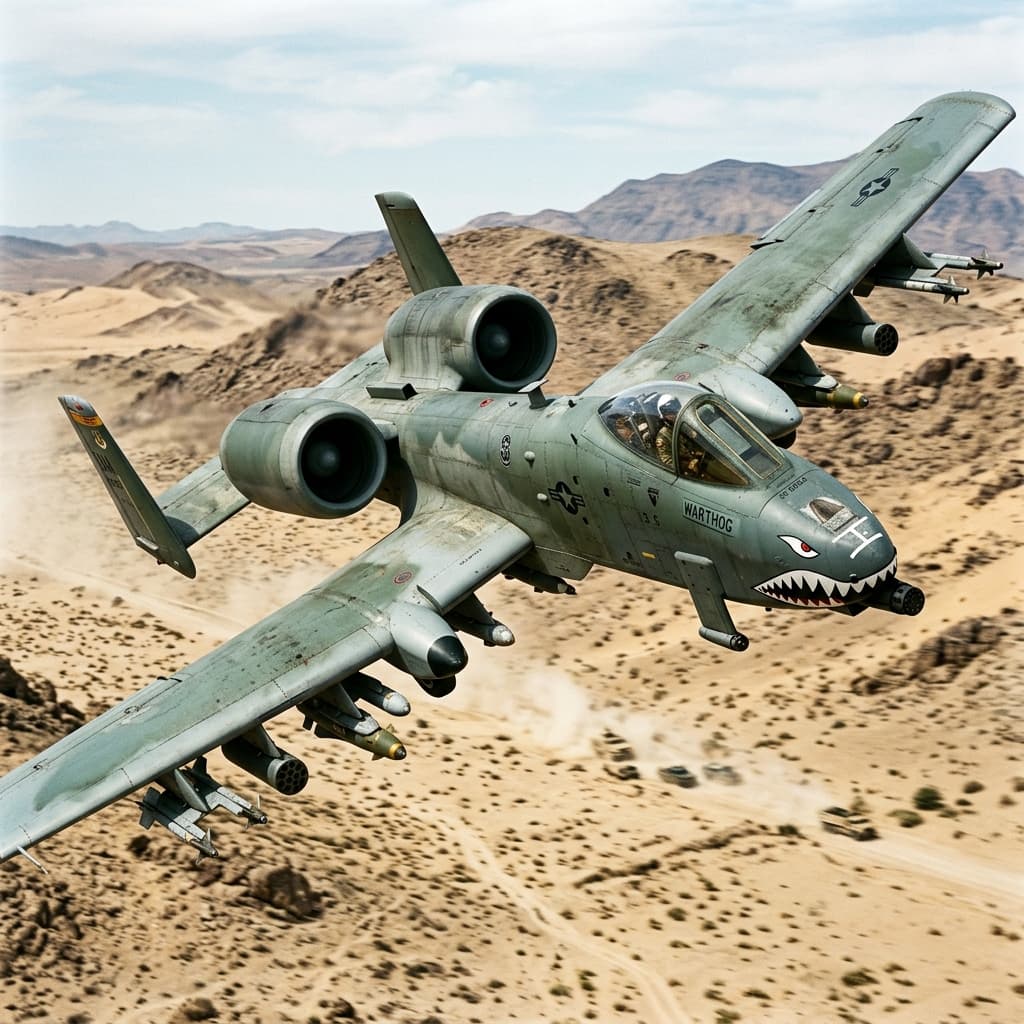
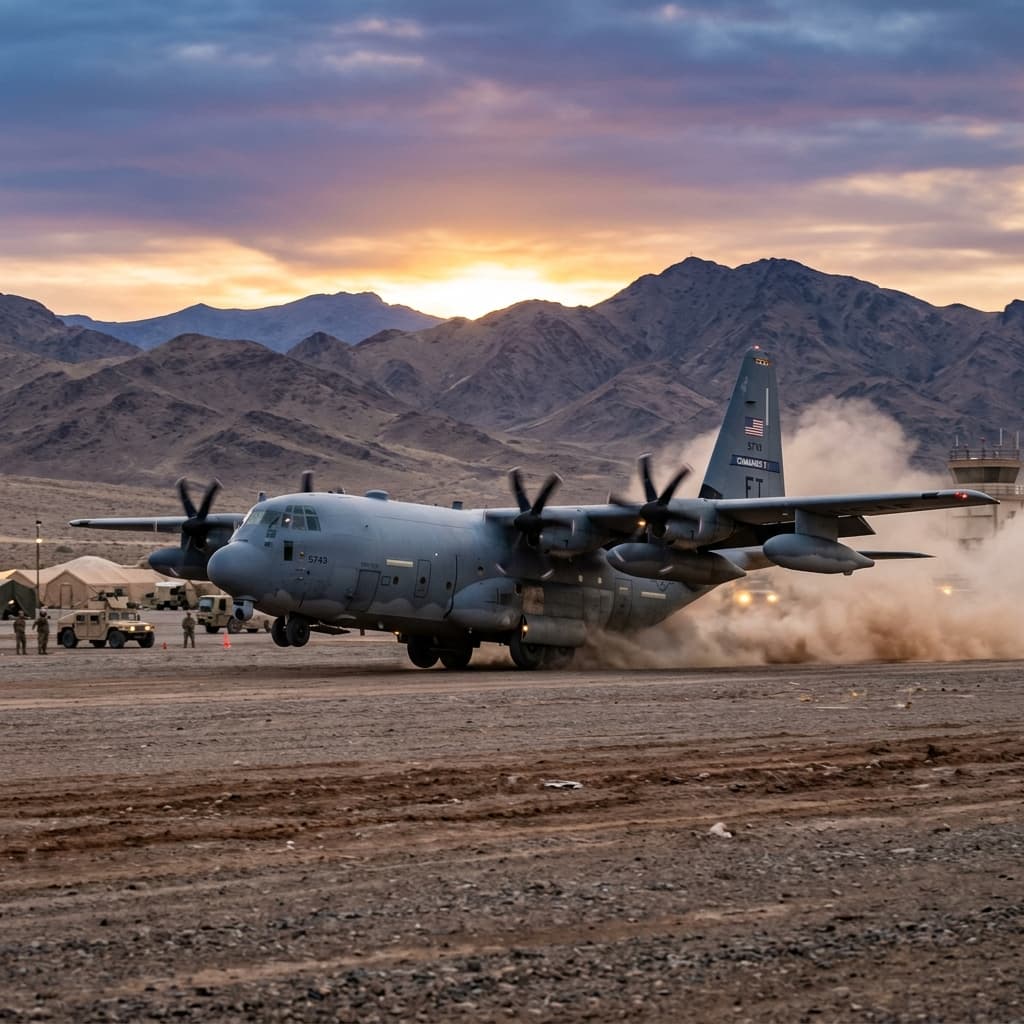
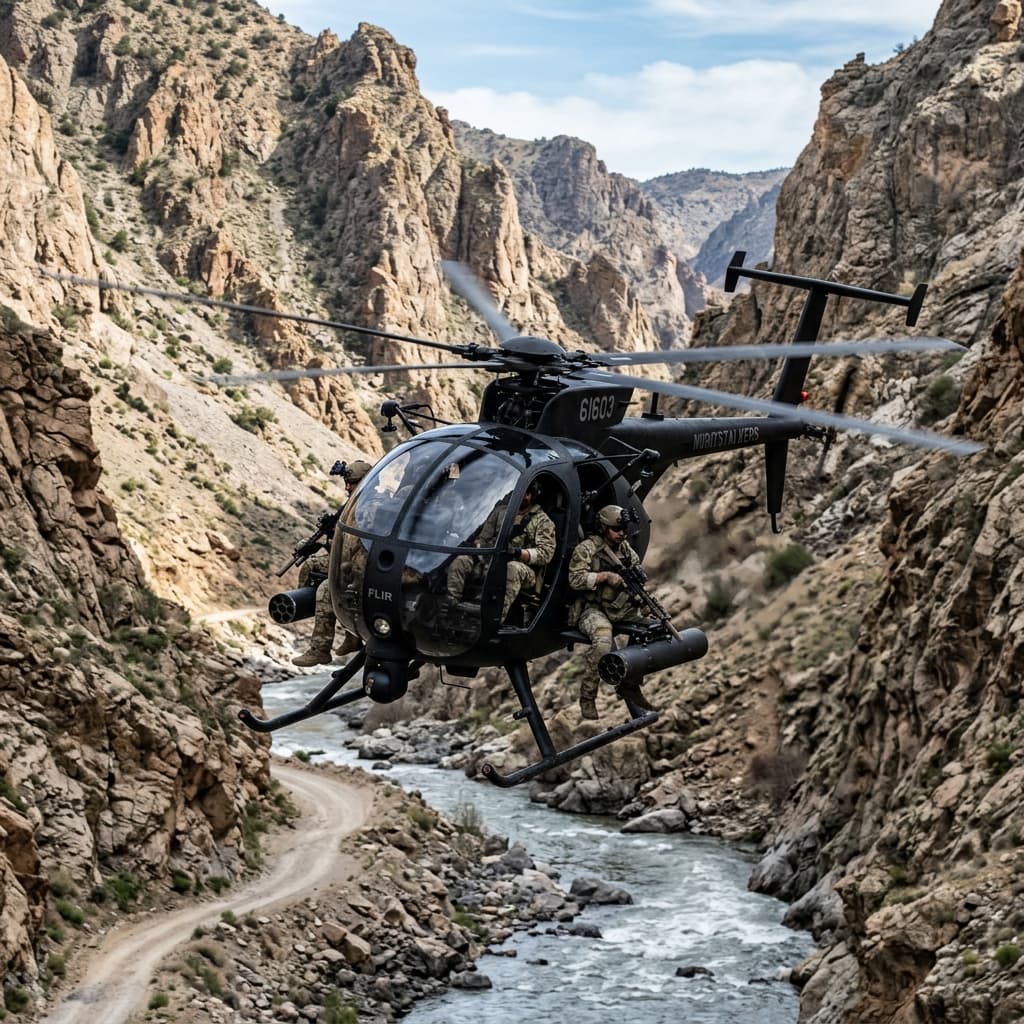
The Aircraft of the Rescue Operation
To fully process the depth of the mission, it is critical to understand the highly specialized hardware involved. Each airframe served a deliberate tactical purpose.
Establishing the Perimeter and the Drone Umbrella
Surviving in the brutal topography of the Isfahan province required exceptional Survival, Evasion, Resistance, and Escape (SERE) execution.
As hundreds of Islamic Revolutionary Guard Corps (IRGC) soldiers closed in, incentivized by a $60,000 bounty broadcast on Iranian state television, the WSO ascended a 7,000 foot ridge and maintained strict radio combat silence, emitting only ultra short communication bursts.
The U.S. response to physically secure him was absolute. After an uncrewed CIA surveillance platform achieved an astonishing 40 mile thermal lock on the Colonel through the mountain foliage, the Air Force established a lethal overhead perimeter.
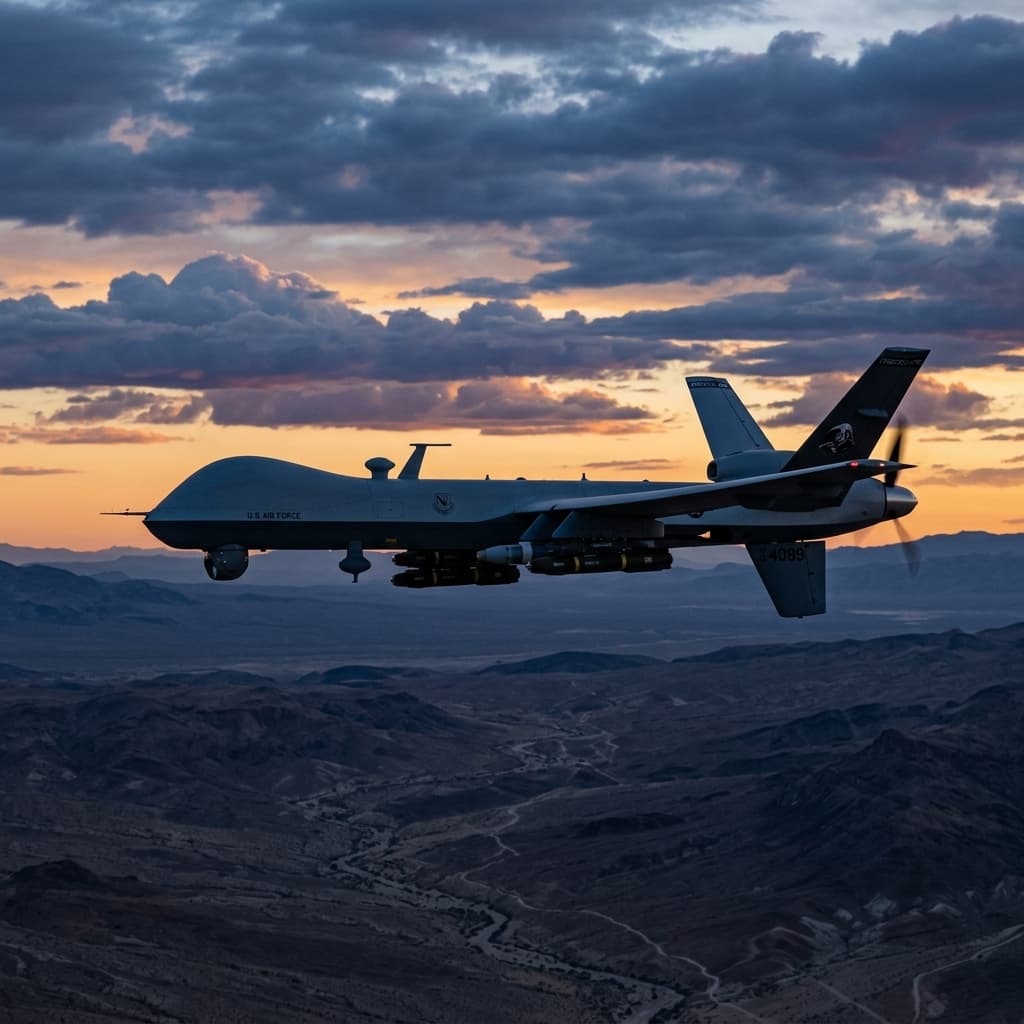
A persistent orbit of heavily armed MQ-9 Reaper drones laid down a precise ring of kinetic fire, instantly neutralizing any Iranian ground forces that breached the invisible boundary. This "Drone Umbrella" kept tactical trackers at bay without revealing the airman's precise crevice. Simultaneous deep electronic subterfuge by intelligence agencies misdirected major Iranian armor columns far away from the actual search grid.
The Tactical Extrication
Executing the physical extraction mandated extreme logistical ingenuity. Traditional heavy rescue helicopters lacked the agility and speed required. Instead, two massive MC-130J Commando II transports plunged deep into fiercely defended Iranian airspace under complete blackout conditions, landing on an unimproved, sandy dirt strip previously mapped by satellite intelligence.
From the bellies of these massive transports, operators unloaded four completely disassembled MH-6 "Little Bird" helicopters. These highly maneuverable assets were rapidly assembled directly on the battlefield. The rotary assault force launched back into the mountains, suppressing enemy positions with heavy machine gun fire and engaging in direct close quarters combat with IRGC forces before successfully hauling the wounded Colonel aboard.
The "Messy Finish": Attrition and Deliberate Destruction
While the extraction from the mountain succeeded, the exfiltration from the Iranian desert spiraled into a logistical nightmare.
The soft, sandy earth of the austere airstrip completely bogged down the nose gear of one $100 million MC-130J aircraft. The second Commando II had suffered severe structural damage during a violent hard landing during initial infiltration and was mathematically deemed completely unsafe to fly under load.
Stranded deep in hostile territory as daylight approached, the commandos established a heavy defensive perimeter around the disabled aircraft, holding back encroaching forces until three heavy replacement transports arrived. However, abandoning pristine U.S. classified special operations technology, packed with sophisticated terrain following radar, stealth avionics, and heavily encrypted communications, was unequivocally unacceptable.
After safely boarding all personnel onto the replacement transports, U.S. fighter jets trailing the formation deliberately designated their own hardware. A massive barrage of precision munitions successfully incinerated the two MC-130Js and the four Little Birds, leaving nothing but scorched earth to ensure strategic denial.
In total, the 48 hour operation resulted in the loss of eight advanced airframes: the initial F-15E Strike Eagle, an A-10 Warthog that crashed in Kuwait while providing overwatch, and the six aircraft destroyed intentionally to prevent technological capture.
Total Mission Attrition
Conclusion
The DUDE 44 mission reaffirms the sacrosanct "leave no man behind" ethos, even against a sophisticated adversary. By willingly expending hundreds of millions in specialized airframes to avoid a devastating hostage scenario, the United States sent an undeniable signal of its reach, operational capability, and the sheer value it places on the human operators at the heart of the aerospace battlefield.
About the Author

Continue Reading
From Raw FLOPs to Milliseconds: The Three Stage Lifecycle of a Modern AI Model
An analytical systems engineering breakdown of modern LLM development across pre-training, post-training alignment, and inference optimization.
Norway's $75B Treasury Exit: Sovereign Wealth De-Risking & The 24% US Trade Deficit Surge
An analytical breakdown of Norway's sovereign wealth fund trimming $75B in US Treasuries, the $88.6B trade deficit surge, and the rotation into physical AI compute.
The Sovereign Veto: How Bond Vigilantes Overrule Policy
An accessible breakdown of how sovereign bond yields, debt arithmetic, and bond vigilantes dictate mortgage rates, student loans, and government policy.